








Copper: An Essential Trace Element for Blood Health, Immunity, and Metabolism

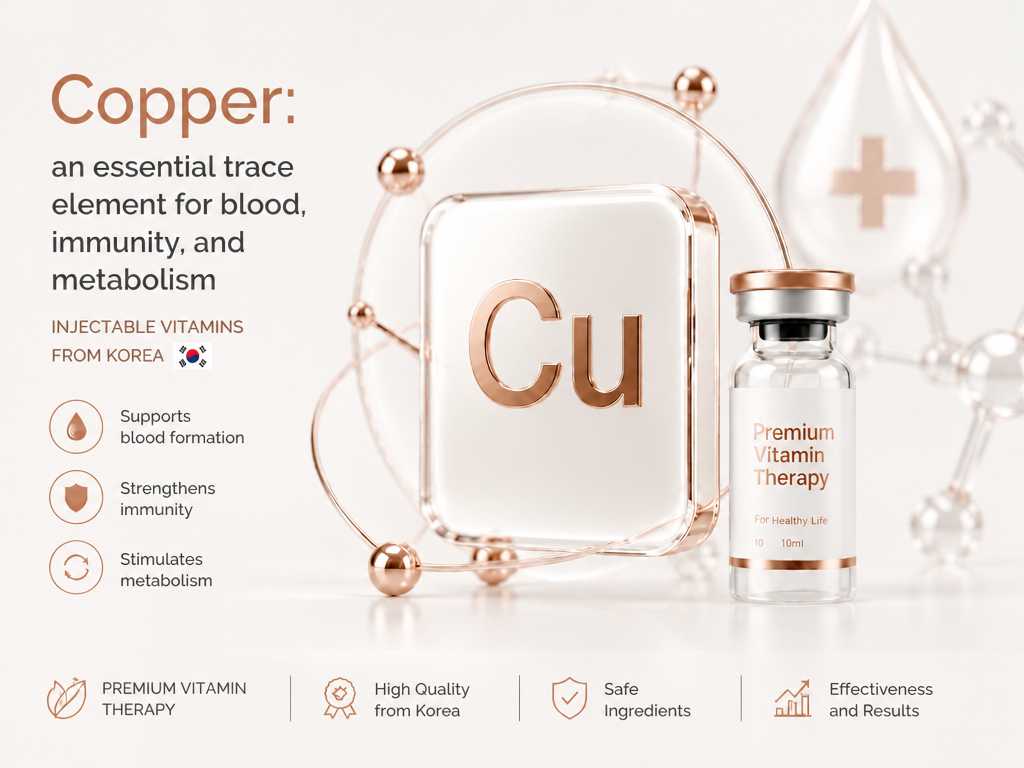
Copper is one of the most important trace elements required for the normal functioning of the human body. Although it is needed only in small amounts, its role is essential and far-reaching. Copper participates in blood formation, energy metabolism, supports nervous system health, and helps the body utilize iron efficiently.
Why Is Copper So Important?
Copper is found in nearly all tissues of the body and is a component of numerous enzymes. It plays a key role in biochemical reactions that support growth, development, and protection against various environmental and physiological stressors.
Adequate copper levels are necessary for proper iron absorption and the production of hemoglobin, the protein responsible for transporting oxygen to cells and tissues throughout the body.
Key Functions of Copper
Supports Blood Formation
One of copper’s most important roles is its involvement in hemoglobin synthesis. Copper helps the body utilize iron effectively, reducing the risk of iron-deficiency anemia and supporting healthy red blood cell production.
Supports Nervous System Function
Copper is essential for the proper functioning of nerve cells and the transmission of nerve impulses. It contributes to cognitive performance and overall neurological health.
Promotes Bone and Vascular Health
This trace element is involved in the synthesis of connective tissue, helping maintain strong bones, flexible blood vessels, and healthy joints.
Contributes to Energy Metabolism
Copper is a critical component of enzymes involved in converting food into energy. As a result, it helps provide the body with the resources needed for daily activity, physical performance, and overall vitality.
Provides Antioxidant Protection
Copper forms part of the body’s antioxidant defense system. Copper-dependent enzymes help protect cells from damage caused by free radicals and may contribute to healthy aging processes.
Foods Rich in Copper
Copper can be obtained through a varied and balanced diet. Excellent dietary sources include:
- Beef and pork liver
- Seafood
- Nuts and seeds
- Beans, lentils, and other legumes
- Whole-grain products
- Green leafy vegetables
- Cocoa and dark chocolate
In most cases, a balanced diet provides sufficient copper to meet daily nutritional needs.
Recommended Daily Intake
For healthy adults, the average daily requirement is approximately 2–3 mg of copper per day. Individual needs may increase during periods of intense physical activity, stress, or certain physiological conditions.
Copper Deficiency
Copper deficiency is relatively uncommon but can lead to significant health problems when it occurs.
Potential Consequences of Copper Deficiency
- Iron-deficiency anemia
- Chronic fatigue
- General weakness
- Reduced immune function
- Slower growth and development
- Nervous system disorders
- Deterioration of bone health
Symptoms of Copper Deficiency
Possible signs of inadequate copper levels include:
- Persistent fatigue
- Reduced work capacity and physical performance
- Pale skin
- Frequent illnesses
- Muscle weakness
- Poor overall well-being
Long-term copper deficiency may contribute to more serious metabolic and physiological disturbances.
Can Too Much Copper Be Harmful?
Like most trace elements, copper is beneficial when consumed in appropriate amounts. Excessive copper intake may lead to undesirable health effects.
Symptoms of Copper Excess
- Nausea
- Vomiting
- Abdominal pain
- Digestive discomfort
- Impaired liver function with prolonged excessive intake
For this reason, copper supplementation should be used only when necessary and according to recommended dosages or the advice of a healthcare professional.
Conclusion
Copper plays a vital role in maintaining overall health and well-being. It contributes to blood formation, supports iron metabolism, promotes nervous system function, strengthens immune defenses, and facilitates normal energy production. Consuming copper-rich foods regularly can help maintain optimal copper levels, support healthy physiological function, enhance vitality, and contribute to overall wellness.